
"I felt free again" - Restoring hope and dignity for fistula survivors in Malawi

LILONGWE, Malawi - Beyond the pain and physical symptoms, women suffering from fistula frequently suffer ostracism and psychological trauma. The Spotlight Initiative Africa Regional Programme enabled the treatment and training of 400 women a year at Bwaila Hospital's Fistula Centre, in partnership with the Freedom from Fistula Foundation. The programme also worked to reintegrate fistula survivors into the community by providing vocational training.
Two advocates share their experiences below.
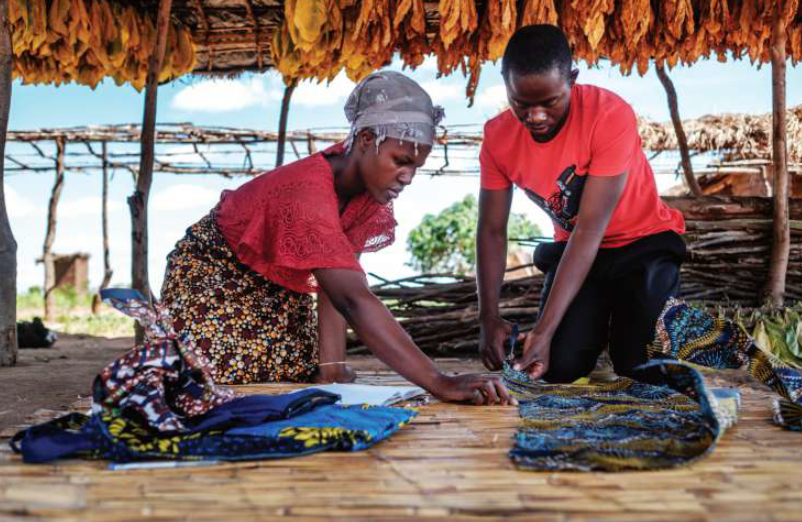
Alfonsina Sankhulani, fistula survivor
It all began like a beautiful dream. I met Duncan at church when I was just 15 and, before long, we found ourselves in love. Two years later, we exchanged vows and awaited the arrival of our first child. Everything seemed normal as I attended prenatal care appointments. However, as the time for delivery approached, our joy turned to a nightmare.
Labour pains began one evening and despite enduring for two days, I couldn't bring our baby into the world. Each attempt to push was met with failure. Finally, on the fourth day, I underwent a C-section, only to discover the devastating truth: it was a stillbirth. Our hearts shattered. I slept for almost three days, overwhelmed. When I finally awoke, I was leaking urine uncontrollably. Despite the catheter they inserted, the liquid continued to flow from me.
"I shared my story to raise awareness about fistula, particularly among young couples."
From then on, I lived with constant humiliation and isolation. For three long years, I remained confined to my home, avoiding social gatherings and feeling ostracized due to the leakage and accompanying odour. It felt like a prison. Eventually, after saving up enough money, I was able to seek treatment at the Fistula Centre in Bwaila Hospital.
During my three-week stay, I underwent successful surgery. Then I learned sewing and cooking with a jet flame stove. It was transformative. Most importantly, I was finally dry. I felt free again. I eagerly reintegrated into my society, I rushed to church the first day I came back home. There, I shared my story to raise awareness about fistula, particularly among young couples. I also devoted time each month to advocating for fistula prevention at local clinics.
Thanks to the sewing machine provided by the centre, I now pursue new opportunities. I sew daily, supplementing our income by selling our products at the market every Sunday. We are even considering the possibility of starting a family once again. However, we are proceeding cautiously, waiting a year after the fistula operation before trying to conceive, determined not to repeat the heartbreak of the past.
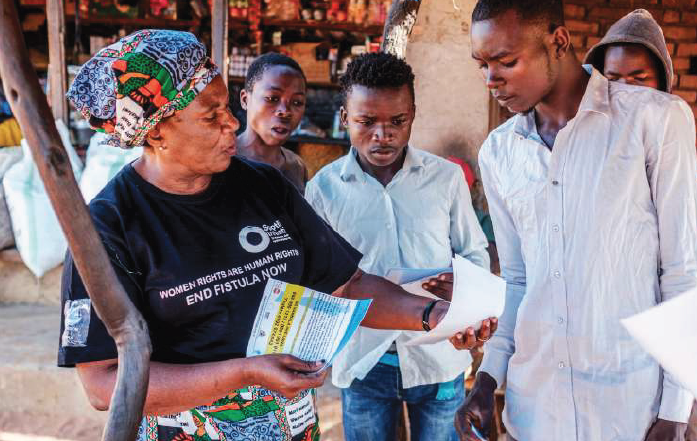
Margaret Moyo, Freedom From Fistula Manager at Bwaila Hospital
In this hospital alone, we've provided care to over 4,000 fistula survivors in Malawi over the past 10 years. Our primary focus is on surgical interventions to alleviate the debilitating effects of fistula.
Unfortunately, in rural areas of Malawi, there are prevalent misconceptions surrounding fistula, often attributing it to bewitchment. We conduct roadshows during market days to counter these beliefs and educate the population. The challenge lies in breaking the silence surrounding fistula, as it remains a deeply private and embarrassing issue for many women.
"Our most effective advocates are the survivors themselves."
Our most effective advocates are the survivors themselves, our ambassadors. They bring in nearly half of our new patients by sharing their experiences within their communities. Beyond repairing their vaginas, we also restore their dignity and confidence. We provide practical skills training, including cooking, sewing, and financial management, empowering them to lead self-sufficient lives.
It's incredible to realize that in some communities, women have endured the burden of fistula for decades, with stories of individuals living with it for 20, 30, or even 40 years. Such narratives underscore the urgent need for continued awareness, advocacy, and support for fistula survivors
in Malawi.
Extract from Spotlight Initiative Africa Regional Programme Stories of Change.